Introduction to Educational Technology
Educational technology has become one of the most powerful forces shaping how knowledge is delivered, accessed, and experienced. From interactive whiteboards to AI-powered learning platforms, educational technology is redefining education for students, teachers, and institutions worldwide.
In the first decade of digital learning, technology was mainly used as a support tool. Today, educational technology sits at the center of teaching and learning, enabling personalized education, remote access, and data-driven insights. As digital transformation accelerates, understanding educational technology is no longer optional—it is essential.
Learn about digital learning, e-learning tools, education technology trends, online education, learning technology.
What Is Educational Technology?
Educational technology refers to the use of digital tools, platforms, software, and systems to enhance teaching, learning, and educational management. It integrates technology with pedagogy to improve learning outcomes.
Educational technology includes:
- Learning management systems (LMS)
- Online learning platforms
- Educational apps and software
- Virtual classrooms
- AI-based learning tools
At its core, educational technology aims to make learning more accessible, engaging, efficient, and personalized.
Evolution of Educational Technology
Educational technology has evolved significantly over time.
Key Stages of Development
- Early Stage: Overhead projectors, radio, and television
- Computer Era: Desktop computers and CD-ROM learning
- Internet Era: E-learning platforms and digital resources
- Modern Era: AI, VR, AR, and adaptive learning systems
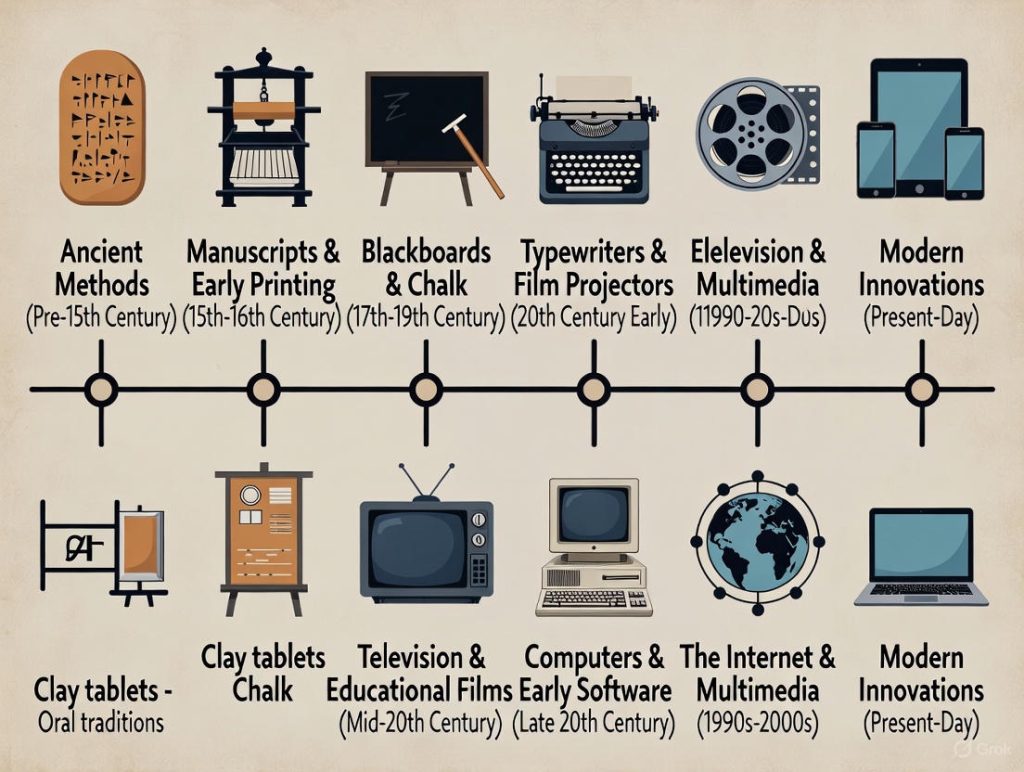
This evolution reflects a shift from teacher-centered instruction to learner-centered education, supported by digital innovation.
Types of Educational Technology Tools
A comprehensive understanding of educational technology includes knowing its major categories.
1. Learning Management Systems (LMS)
Used to deliver, track, and manage learning content.
2. Virtual Learning Environments
Enable real-time and asynchronous online learning.
3. Educational Apps
Support microlearning, skill development, and assessments.
4. Interactive Hardware
Includes smartboards, tablets, and digital labs.
5. Assessment and Analytics Tools
Measure student progress using data and insights.
Benefits of Educational Technology in Learning
Educational technology offers significant advantages across all levels of education.
Key Benefits
- Personalized learning paths
- Increased student engagement
- Flexible access to education
- Improved collaboration
- Data-driven decision making
Educational technology allows students to learn at their own pace, while teachers can adapt instruction based on real-time feedback.
Role of Educational Technology in Classrooms
Modern classrooms are becoming smart learning environments.
How Educational Technology Supports Teachers
- Automates administrative tasks
- Enhances lesson delivery
- Supports diverse learning styles
- Enables instant feedback
Educational technology transforms classrooms into interactive, inclusive, and adaptive learning spaces.
Educational Technology for Online and Remote Learning
Online learning would not exist at scale without educational technology.
Key Contributions
- Video conferencing tools
- Cloud-based content delivery
- Virtual assessments
- Collaboration platforms
Educational technology ensures continuity of learning regardless of location, making education more inclusive and resilient.
Doctrina AI: Smarter Learning in 2025
How Educational Technology Improves Student Engagement
Engagement is one of the strongest impacts of educational technology.
Engagement Strategies Enabled by Technology
- Gamified learning
- Interactive quizzes
- Multimedia content
- Real-time collaboration
Students become active participants rather than passive listeners, improving retention and motivation.
How to Use Educational Technology Effectively (HowTo Schema Section)
How To: Implement Educational Technology in Learning
Step 1: Identify learning objectives
Step 2: Choose appropriate educational technology tools
Step 3: Train educators and learners
Step 4: Integrate technology into lesson plans
Step 5: Monitor outcomes and optimize usage
This How To framework ensures educational technology delivers measurable results.
Challenges and Limitations of Educational Technology
Despite its benefits, educational technology faces challenges.
Common Challenges
- Digital divide and access inequality
- Lack of teacher training
- High implementation costs
- Data privacy concerns
- Over-reliance on technology
Addressing these challenges is essential for sustainable adoption.
Educational Technology in Higher Education and Corporate Training
Educational technology plays a critical role beyond schools.
In Higher Education
- Virtual labs
- Online degree programs
- Research collaboration
In Corporate Training
- Skill-based microlearning
- Performance tracking
- Remote workforce training

Future Trends in Educational Technology
The future of educational technology is driven by innovation.
Emerging Trends
- Artificial intelligence-powered learning
- Virtual and augmented reality
- Adaptive learning platforms
- Blockchain-based credentialing
- Learning analytics and big data
Educational technology will continue to evolve toward personalized, intelligent learning ecosystems.
Educational Technology and Artificial Intelligence
AI is reshaping educational technology.
AI Applications
- Personalized learning recommendations
- Automated grading
- Chatbots for student support
- Predictive analytics
This integration improves efficiency while maintaining educational quality.
FAQs on Educational Technology (FAQ Schema Ready)
What is educational technology used for?
Educational technology is used to enhance teaching, learning, assessment, and educational management.
Is educational technology effective?
Yes, when used correctly, educational technology improves engagement, accessibility, and learning outcomes.
What are examples of educational technology?
Examples include LMS platforms, online classrooms, educational apps, and AI-based learning tools.
Does educational technology replace teachers?
No, educational technology supports teachers rather than replacing them.
What are the disadvantages of educational technology?
Challenges include digital inequality, training gaps, and data privacy issues.
What is the future of educational technology?
The future includes AI-driven personalization, immersive learning, and global access to education.
Conclusion: The Future of Educational Technology
Educational technology is no longer a supplementary tool—it is a core pillar of modern education. By enabling flexible learning, personalized instruction, and global access, educational technology is shaping the future of how knowledge is shared and applied.
As innovation continues, institutions that embrace educational technology thoughtfully will be better positioned to prepare learners for a rapidly changing world.