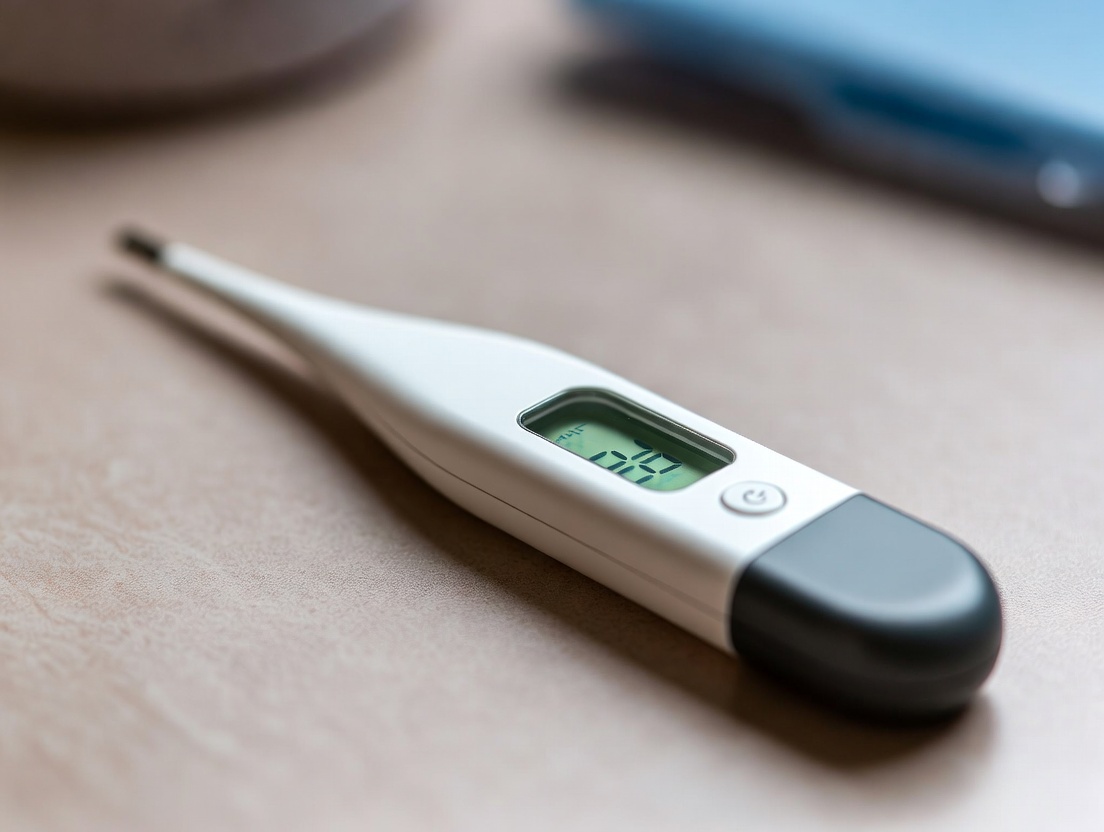
Introduction to Digital Thermometer
A Digital thermometer has become an essential tool in homes, hospitals, schools, and workplaces. By providing fast, accurate, and easy-to-read temperature measurements, digital thermometers have replaced traditional mercury thermometers in most settings.
A digital thermometer is not just a medical device—it’s a key part of modern health monitoring. From fever detection to routine health checks, the digital thermometer plays a vital role in everyday life.
Also learn about electronic thermometer, medical thermometer, infrared thermometer, body temperature device, and contactless thermometer.
What Is a Digital Thermometer?
A digital thermometer is an electronic device that measures temperature and displays the result in numerical form, usually on an LCD screen. Unlike older thermometers, it does not use mercury or glass tubes.
In simple terms:
A digital thermometer measures temperature using electronic sensors and shows results instantly. These are widely used for body temperature, room temperature, food safety, and industrial applications.
IoT in Healthcare: Modern Medical System
How a Digital Thermometer Works
Understanding how a digital thermometer works helps explain its accuracy.
Working Principle
- A sensor detects temperature changes
- Electrical resistance varies with heat
- The microprocessor converts data into numbers
- The temperature appears on the screen
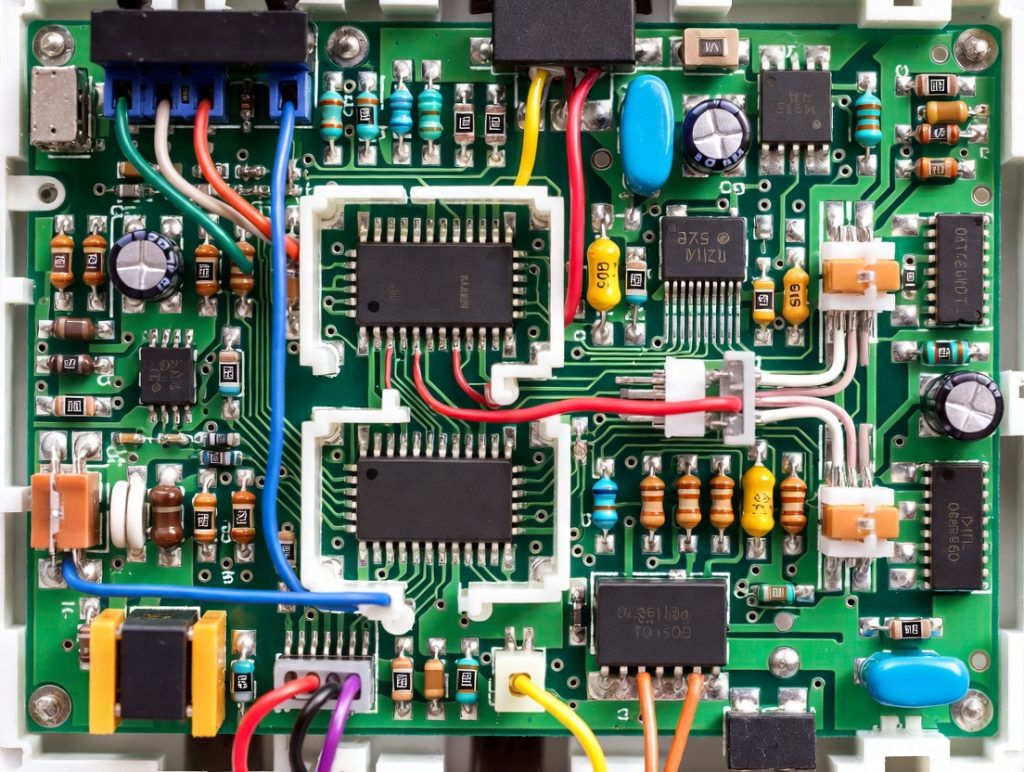
This electronic process allows digital thermometers to deliver quick and precise readings.
Types of Digital Thermometers
There are several types of digital thermometers, each designed for specific uses.
Common Types
- Oral digital thermometers
- Infrared forehead thermometers
- Ear (tympanic) thermometers
- Non-contact digital thermometers
- Digital probe thermometers
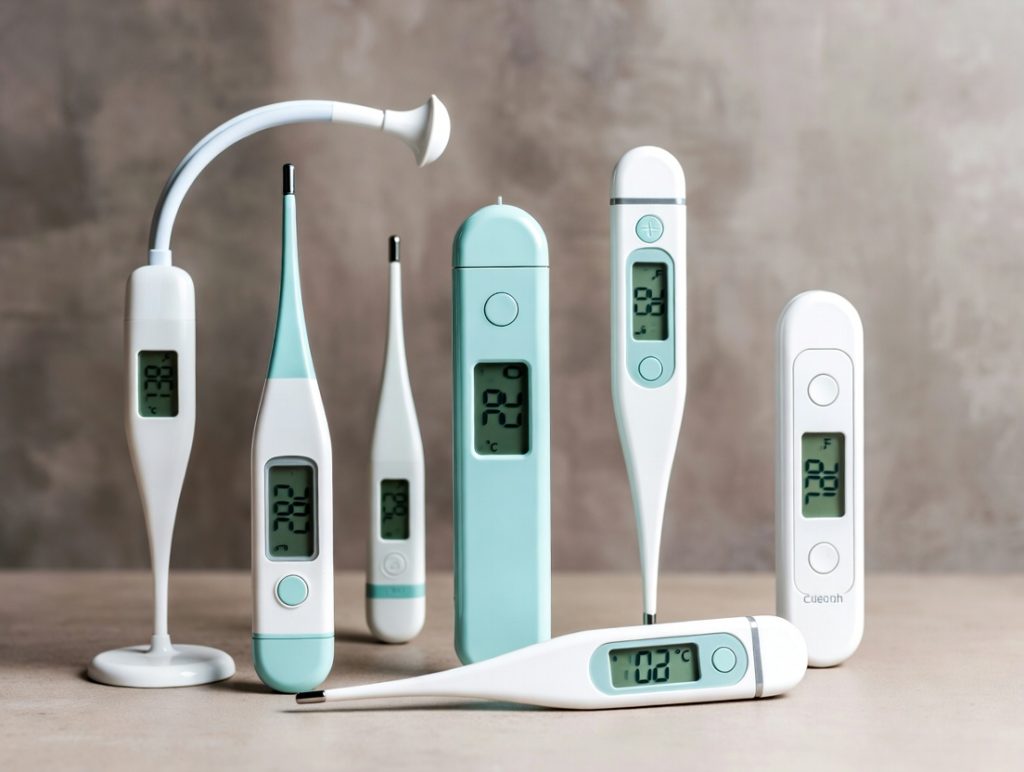
Choosing the right digital thermometer depends on accuracy needs and usage environment.
Wearable Health Monitors: Personal Care
Accuracy and Reliability of Digital Thermometers
Accuracy is one of the main advantages of a digital thermometer.
Factors Affecting Accuracy
- Proper placement
- Device calibration
- User technique
- Battery condition
Most medical-grade digital thermometers provide highly reliable results when used correctly.
Digital Thermometer for Medical and Home Use
The digital thermometer is widely used in healthcare and homes.
Medical Uses
- Fever detection
- Patient monitoring
- Infection screening
Home Uses
- Child and adult temperature checks
- Monitoring illness recovery
- Everyday health tracking
During periods of high health awareness, digital thermometers often see increased demand.
Digital Thermometer vs Mercury Thermometer
Digital thermometers have largely replaced mercury thermometers.
| Feature | Digital Thermometer | Mercury Thermometer |
| Safety | Very safe | Risk of mercury exposure |
| Speed | Fast | Slow |
| Readability | Easy | Difficult |
| Accuracy | High | Moderate |
Environmental and safety concerns have accelerated this transition.
Benefits of Using a Digital Thermometer
Using a digital thermometer offers many advantages.
Key Benefits
- Quick temperature readings
- Easy-to-read display
- Safe and mercury-free
- Suitable for all age groups
- Portable and affordable
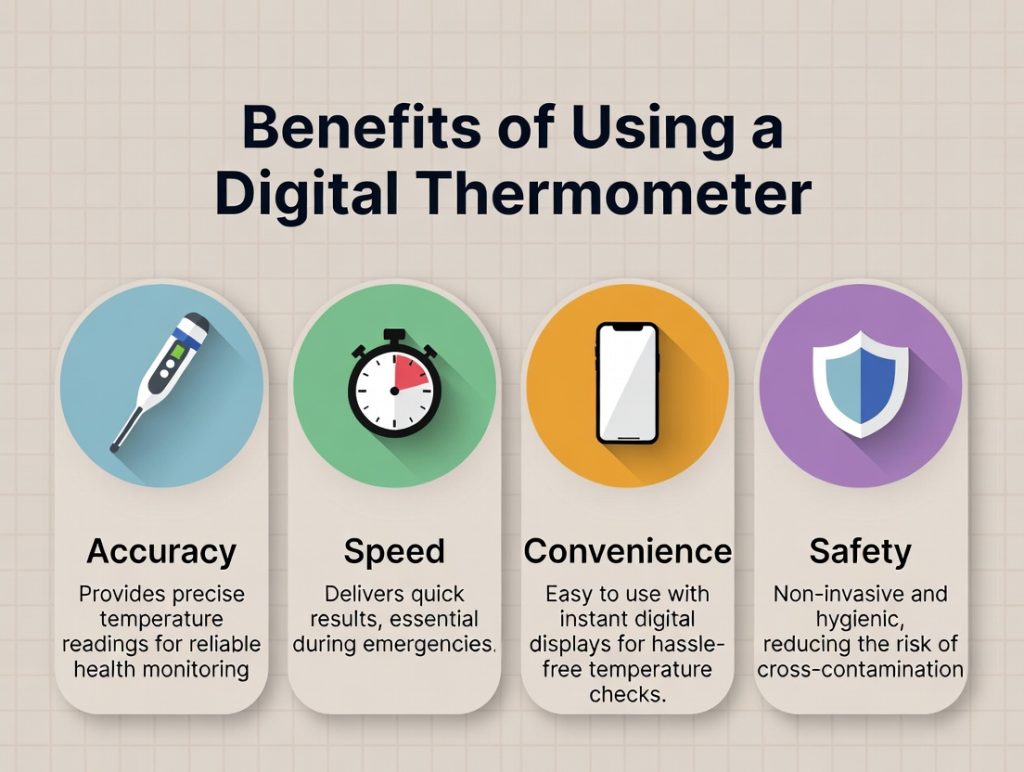
These benefits explain why digital thermometers are now standard medical tools.
How to Use a Digital Thermometer Correctly
HowTo: Use a Digital Thermometer
Step 1: Clean the thermometer tip
Step 2: Turn on the digital thermometer
Step 3: Place it correctly (oral, underarm, or forehead)
Step 4: Wait for the beep or signal
Step 5: Read and record the temperature
Correct usage ensures accurate and reliable readings.
Common Mistakes When Using a Digital Thermometer
Avoid these frequent mistakes:
- Incorrect placement
- Removing the thermometer too early
- Using a low battery device
- Not cleaning between uses
These mistakes can affect accuracy and reliability.
AI in Healthcare: Medicine & Diagnostics
Maintenance and Care of a Digital Thermometer
Proper care extends the life of your digital thermometer.
Maintenance Tips
- Clean after each use
- Store in a dry place
- Replace batteries when needed
- Avoid extreme temperatures
Good maintenance ensures consistent performance.
Digital Thermometers, Technology, and Regulation
Digital thermometers are regulated medical devices.
Regulatory Considerations
- Medical device standards
- Accuracy certification
- Consumer safety laws
Discussions around regulation, standardization, and market competition in medical devices.
Future Trends in Digital Thermometer Technology
Digital thermometer technology continues to evolve.
Future Developments
- Bluetooth-enabled thermometers
- Smartphone integration
- AI-based fever tracking
- Contactless accuracy improvements
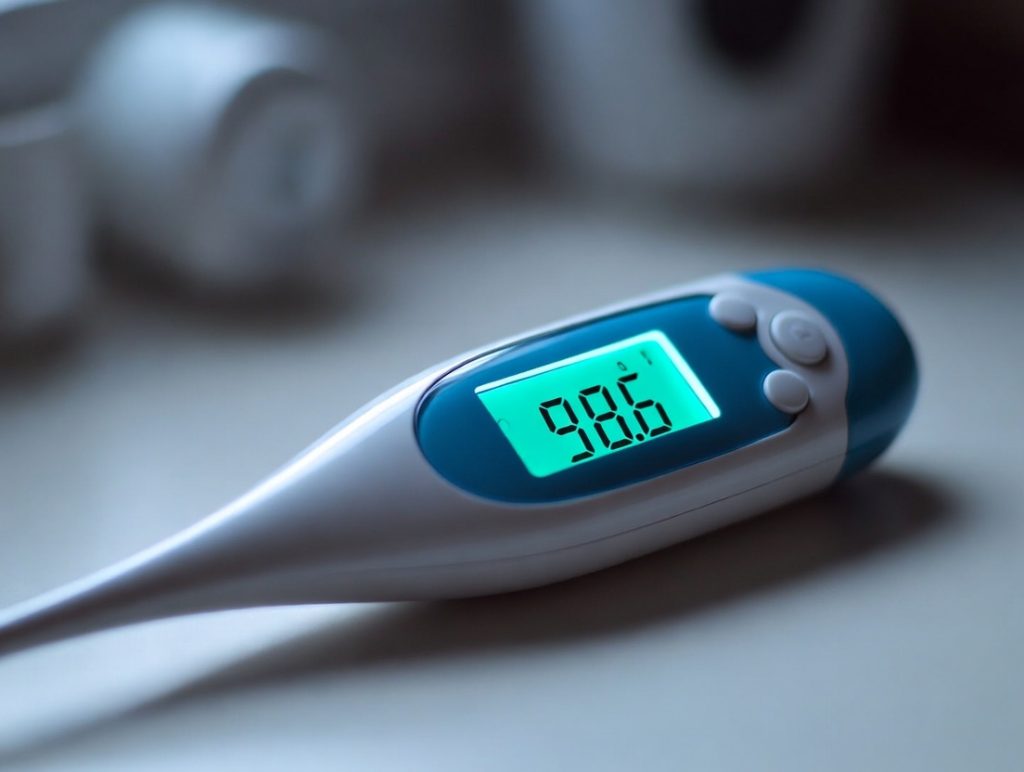
These innovations will make temperature monitoring smarter and more connected.
FAQs on Digital Thermometer
What is a digital thermometer?
A digital thermometer is an electronic device that measures temperature and displays it numerically.
Are digital thermometers accurate?
Yes, when used correctly, they provide highly accurate readings.
Which digital thermometer is best for home use?
Oral and forehead digital thermometers are commonly recommended.
How long does a digital thermometer take to read?
Most provide results within seconds.
Is a digital thermometer safe for children?
Yes, they are safe and mercury-free.
Do digital thermometers need calibration?
Most do not, but periodic checks improve accuracy.
Conclusion: Why a Digital Thermometer Is Essential
A Digital thermometer is a simple yet powerful tool for modern health monitoring. Its speed, safety, and accuracy make it indispensable for families, healthcare providers, and institutions.
As technology advances and health awareness grows, digital thermometers will continue to evolve—remaining a cornerstone of personal and public health.