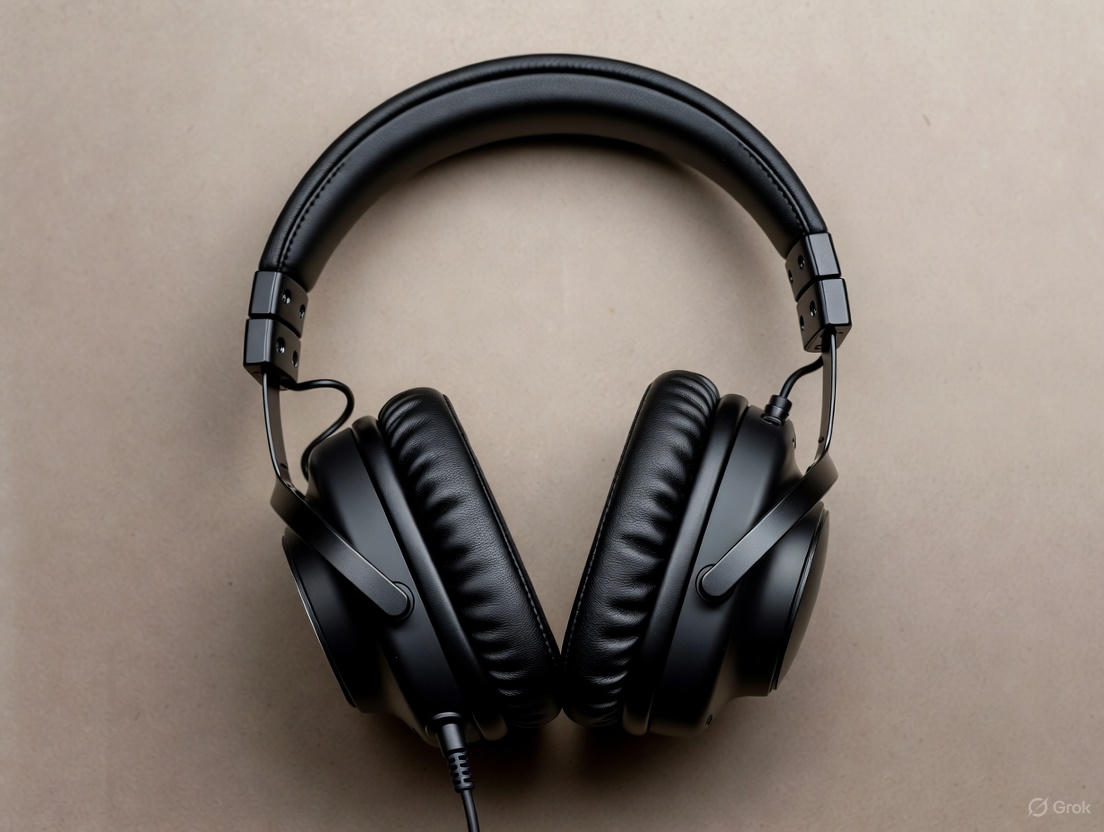
In today’s fast-paced world, silence is a luxury. Whether you’re commuting, flying, or working in a bustling office, noise cancelling headphones have become an essential tool for focus and comfort. These headphones use advanced noise cancelling technology to block unwanted background sounds — allowing users to enjoy clear music, deep podcasts, or simply peace and quiet.
This cutting-edge innovation has revolutionized audio experiences. But what exactly makes these headphones so effective? Let’s uncover the science behind noise cancelling technology and why it’s shaping the future of personal audio.
What Is Noise Cancelling Technology?
Noise cancelling technology refers to techniques used to reduce or eliminate unwanted environmental sounds, allowing users to focus on the desired audio.
Two Primary Types of Noise Cancellation
- Passive Noise Cancellation (PNC)
Uses physical design — like padded ear cups and tight seals — to block external sounds. - Active Noise Cancellation (ANC)
Uses advanced electronics and microphones to detect and counteract ambient noise.

Both methods serve different purposes, but when combined, they create an immersive and quiet listening experience that feels almost magical.
How Does Active Noise Cancelling (ANC) Work?
Active Noise Cancelling (ANC) is a remarkable blend of acoustic engineering and signal processing.
Here’s a simple breakdown of how it works:
- Microphone Detection:
Tiny microphones on the headphones pick up surrounding ambient noise (like engines or chatter). - Sound Wave Inversion:
The headphone’s internal processor generates a sound wave that is the exact inverse (mirror image) of the noise detected. - Noise Neutralization:
When both waves (noise and inverse sound) combine, they cancel each other out, reducing unwanted sounds before they reach your ears. - Adaptive Adjustment:
Modern ANC systems continuously analyze and adapt to changing sound environments in real-time.
The Science Behind Noise Cancelling: Understanding Sound Waves
Sound travels in waves, and when two identical waves meet — one with a positive phase and the other with a negative phase — they cancel each other out.
This process is called destructive interference.
Equation Simplified:
If wave A (noise) + wave B (inverse noise) = 0,
the result is silence.
That’s the essence of active noise cancelling technology — physics meets precision engineering to create peace.
Benefits of Noise Cancelling Headphones
The noise cancelling technology of headphones isn’t just about blocking noise; it enhances your entire auditory experience.
1. Enhanced Focus and Productivity
Ideal for work or study environments, noise cancelling helps users stay focused without distractions.
2. Better Audio Quality
By removing background noise, music sounds clearer and more detailed at lower volumes.
3. Hearing Protection
Reduces the need to turn up the volume, protecting your ears from long-term hearing damage.
4. Travel Comfort
Perfect for flights and commutes — ANC eliminates engine hum and city noise.
Types of Noise Cancelling Systems
1. Feedforward ANC
Microphones are placed outside the earcup and detect external sounds before they reach the ear.
- Pros: Excellent for high-frequency noise.
- Cons: More sensitive to wind and sudden sounds.
2. Feedback ANC
Microphones are inside the earcup and analyze sounds already entering the ear.
- Pros: More accurate for low-frequency noise (like engines).
- Cons: Less effective for high frequencies.
3. Hybrid ANC
Combines both methods for the most accurate and versatile performance.
- Pros: Premium quality, real-time noise adaptation.
- Cons: More expensive due to complex processing.
Image Placeholder: [Insert Diagram Showing Feedforward vs. Feedback vs. Hybrid ANC]
Leading Brands Using Noise Cancelling Technology
Here are some of the top-performing models in 2025 that have mastered noise cancelling technology:
| Brand | Model | Key Feature | Approx. Price (USD) |
| Sony | WH-1000XM5 | Adaptive ANC, 30-hr battery | $399 |
| Bose | QuietComfort Ultra | Best-in-class noise cancellation | $429 |
| Apple | AirPods Max | Spatial Audio with ANC | $549 |
| Sennheiser | Momentum 4 | High-fidelity sound, hybrid ANC | $379 |
| JBL | Tour One M2 | Adaptive sound control | $299 |
The Future of Noise Cancelling Technology
The next generation of noise cancelling headphones is moving beyond simple noise reduction.
Here’s what’s coming next:
1. AI-Driven Noise Cancellation
Headphones will use machine learning to identify and adapt to sound environments automatically.
2. Personalized Sound Profiles
Users will enjoy audio tailored to their unique hearing patterns.
3. Transparency Modes
Future ANC headphones will include smart transparency, allowing users to hear important sounds (like conversations or announcements) while filtering out the rest.
4. Sustainable Materials
Brands are focusing on eco-friendly materials and energy-efficient components.

Limitations of Noise Cancelling Technology
While ANC is powerful, it’s not perfect. Here are a few trade-offs:
- Battery Consumption: ANC drains power faster than regular headphones.
- Pressure Feeling: Some users experience a slight “ear pressure” sensation.
- Cost: Premium models with effective ANC can be expensive.
- Limited High-Frequency Blocking: ANC works best for consistent low-frequency sounds.
How to Choose the Right Noise Cancelling Headphones
Selecting the right model depends on your lifestyle and priorities.
Key Considerations:
- Purpose: Commuting, office use, or travel?
- Battery Life: Look for 20+ hours for reliable daily use.
- Comfort: Lightweight build and soft ear cushions are essential.
- Audio Quality: Check for codecs like AAC, LDAC, or aptX.
- Price Range: Balance features with your budget.
Pro Tip: Always try headphones in-store or check reviews for real-world ANC performance.
Environmental Impact and Sustainability
Modern headphone manufacturers are taking steps toward greener technology:
- Recycled materials in casings and packaging.
- Energy-efficient chips that extend battery life.
- Repair-friendly designs to reduce electronic waste.
Bose and Sony have pledged to achieve carbon-neutral manufacturing by 2030, leading the charge toward sustainable audio innovation.
Frequently Asked Questions (FAQs)
Q1. What’s the difference between noise cancelling and noise isolating?
Noise cancelling uses electronic processing to counter sound waves, while noise isolating relies on physical earcup design to block sound.
Q2. Do noise cancelling headphones block all sounds?
Not completely. They are best for low-frequency sounds like engines but less effective for sudden noises or voices.
Q3. Can noise cancelling headphones damage hearing?
No, in fact, they protect hearing by allowing you to listen at lower volumes.
Q4. Are noise cancelling headphones good for sleeping?
Yes, especially models designed for comfort. Some offer gentle noise masking or white noise modes.
Q5. What is adaptive noise cancelling?
It automatically adjusts the level of cancellation based on environmental noise.
Q6. Which headphones have the best ANC in 2025?
Sony WH-1000XM5 and Bose QuietComfort Ultra lead the market with superior adaptive ANC systems.
Conclusion: The Sound of Silence Redefined
The noise cancelling technology of headphones has transformed how we experience sound. From improved focus to unparalleled comfort, it delivers a unique blend of science and serenity. As AI, adaptive systems, and sustainable innovations evolve, the future promises even more personalized and immersive listening experiences.
So, whether you’re working, flying, or simply unwinding — the silence you crave is just one pair of headphones away.


