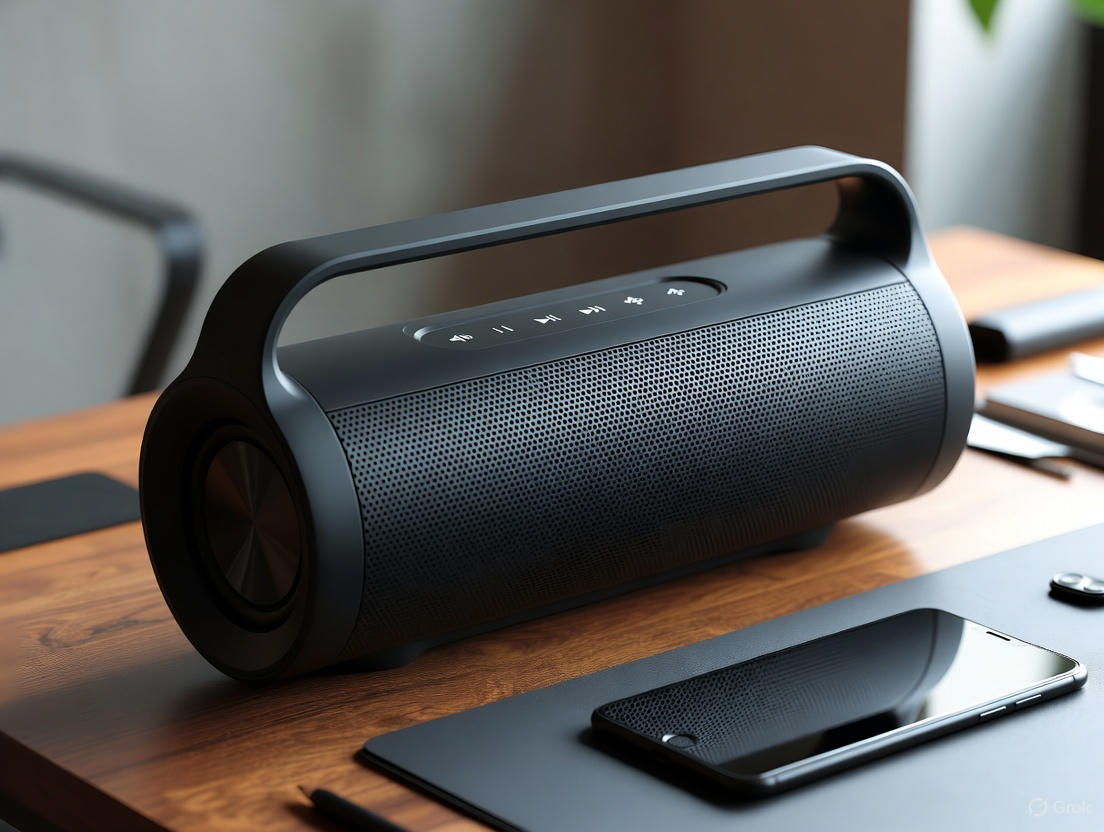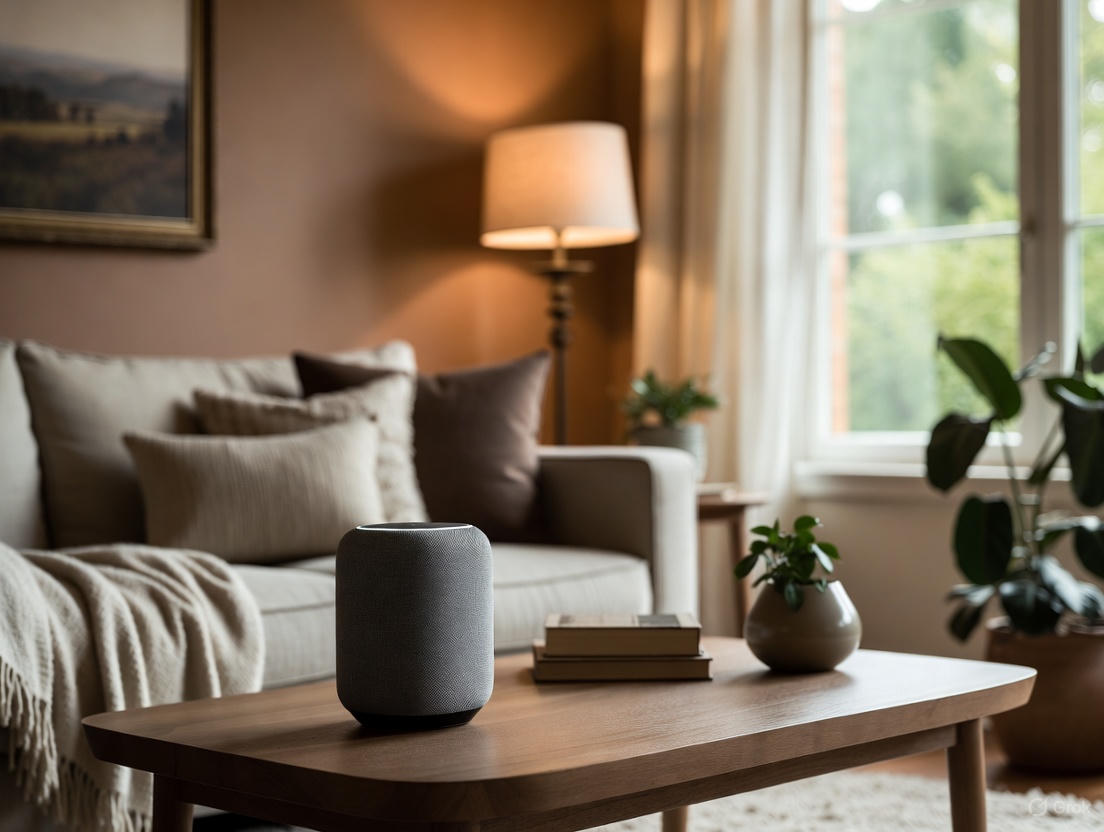
Smart speakers are AI-powered voice-controlled devices that play music, control smart home gadgets, answer questions, and assist with daily tasks using natural language processing. Connected to the internet, they respond to voice commands via virtual assistants like Amazon Alexa, Google Assistant, and Apple Siri.
These devices have quickly evolved from novelty gadgets into essential home companions, seamlessly integrating technology and convenience into everyday living.
How Smart Speakers Work
Smart speakers function using a combination of voice recognition, cloud computing, and AI algorithms. When a user says a command like “Hey Alexa, play relaxing music,” the device processes the speech, sends it to cloud servers, interprets the request, and executes the appropriate action.
Key technologies powering smart speakers include:
- Natural Language Processing (NLP) – for understanding speech patterns.
- Machine Learning (ML) – for improving responses over time.
- IoT Integration – for connecting to other smart devices like lights, thermostats, and TVs.

Top Benefits of Smart Speakers
1. Hands-Free Convenience
With smart speakers, you can control multiple devices without lifting a finger. Just use your voice to set alarms, play podcasts, check weather updates, or even order groceries.
2. Smart Home Integration
They act as hubs for smart home automation, connecting to smart bulbs, security cameras, and thermostats — creating a fully automated ecosystem.
3. Entertainment on Demand
From streaming your favorite Spotify playlists to reading audiobooks or telling jokes, smart speakers deliver endless entertainment with simple voice commands.
4. Accessibility
Smart speakers also help people with disabilities by offering voice-controlled navigation and features like reminders and read-aloud functions.
Most Popular Smart Speaker Brands in 2025
Here’s a look at the top-performing brands dominating the smart speaker market this year:
| Brand | Virtual Assistant | Notable Feature | Price Range |
| Amazon Echo (5th Gen) | Alexa | Adaptive sound and Matter support | $99–$149 |
| Google Nest Audio | Google Assistant | Multi-room audio and precise voice match | $89–$129 |
| Apple HomePod Mini (2025) | Siri | Deep ecosystem integration | $99 |
| Sonos One | Alexa & Google | Audiophile-grade sound | $179 |
| Bose Home Speaker 500 | Alexa & Google | Premium sound and sleek design | $299 |
Smart Speakers and Home Automation
In 2025, smart speakers have become the brains of smart homes. You can say,
“Hey Google, turn on the lights,” or “Alexa, lock the door,”
and your devices respond instantly.
Smart speakers now support Matter, a new standard that allows cross-brand compatibility — meaning your Apple HomePod can now talk to your Google lights and Amazon smart plugs seamlessly.
Smart Speakers for Productivity
They’re not just entertainment devices. Smart speakers can:
- Schedule meetings and reminders.
- Read news summaries.
- Translate languages.
- Integrate with calendars and to-do apps.
Whether you’re working from home or running a business, voice-activated task management helps boost productivity and saves time.
Privacy and Security Concerns
As with any connected device, privacy is a major concern. Smart speakers continuously listen for wake words, which may raise questions about data collection.
Manufacturers have improved privacy with:
- Mute buttons that disable microphones.
- Voice data management settings.
- End-to-end encryption for communication.
Pro Tip: Regularly check your device’s privacy settings to manage data permissions and stored voice recordings.
How to Choose the Best Smart Speaker
When selecting a smart speaker, consider:
- Audio Quality – Ideal for music lovers.
- Assistant Preference – Alexa, Google, or Siri.
- Smart Home Compatibility – Especially if you use specific devices.
- Design and Portability – Aesthetic appeal and size.
- Budget and Features – High-end models often include better sound and sensors.
Latest Innovations in Smart Speaker Technology (2025)
Smart speakers in 2025 are more intelligent, energy-efficient, and context-aware than ever. Innovations include:
- AI Emotion Detection: Devices sense tone and emotion to respond empathetically.
- Enhanced Sound Calibration: Adapts to room acoustics automatically.
- Multi-User Recognition: Understands each family member’s voice.
- Gesture Control: Allows physical gestures to control functions.

How Smart Speakers Enhance Daily Life
From morning routines to bedtime stories, smart speakers enhance life in subtle yet powerful ways. You can:
- Wake up with soft music or news briefings.
- Get recipe guidance while cooking.
- Control your smart lights with bedtime commands.
In short, they’re your digital assistants, DJ, and home manager all in one.
The Future of Smart Speakers
The future holds even greater integration between AI, IoT, and edge computing. We can expect smart speakers to:
- Predict needs before you ask.
- Integrate health monitoring.
- Offer real-time language translation.
The goal is to create a context-aware home ecosystem where devices understand and anticipate user needs with minimal interaction.
Environmental Impact of Smart Speakers
While energy-efficient, smart speakers still consume power. Manufacturers are making strides toward eco-friendly materials and low-energy modes to reduce carbon footprints. Brands like Apple and Google are investing in sustainable production using recycled aluminum and fabric.
Smart Speakers vs. Traditional Bluetooth Speakers

Common Misconceptions About Smart Speakers
- They’re always listening: They only activate after hearing a wake word.
- They’re too complex: Setup is simple via companion apps.
- They invade privacy: Users can review or delete recordings anytime.
- They don’t work offline: Many functions, like alarms, still work without internet.
FAQs About Smart Speakers
Q1: Are smart speakers worth buying in 2025?
Yes, they provide exceptional convenience, home automation, and entertainment for their price.
Q2: Which smart speaker is best for music quality?
The Sonos One and Bose Home Speaker 500 are excellent for audiophiles.
Q3: Can smart speakers work without Wi-Fi?
Limited features like alarms may work, but full voice assistance requires Wi-Fi.
Q4: Are smart speakers safe for privacy?
Yes, when used responsibly. Always adjust privacy settings and mute microphones when needed.
Q5: What is the average lifespan of a smart speaker?
Most smart speakers last 5–7 years with proper care and updates.
Q6: Do smart speakers support multiple users?
Yes, modern models recognize multiple voices and customize responses accordingly.
Conclusion
Smart speakers have evolved into indispensable household companions, redefining how we interact with technology. From voice-controlled entertainment to smart home automation, they epitomize the future of AI-driven living.
As innovation continues, these devices will become even more personal, intuitive, and essential — transforming our homes into smarter, more connected environments.