Introduction to AMOLED Display
AMOLED display technology has become the gold standard for modern screens, especially in smartphones, smartwatches, televisions, and premium laptops. With deeper blacks, vibrant colors, and energy efficiency, AMOLED display panels have transformed how users experience digital content.
It is important to highlight that AMOLED display technology (AMOLED screen, AMOLED technology, OLED vs AMOLED, smartphone display technology, AMOLED panel) is not just a visual upgrade—it represents a shift in how pixels emit light and consume power. This innovation has played a major role in making modern devices thinner, brighter, and more efficient.
What Is an AMOLED Display?
AMOLED stands for Active Matrix Organic Light Emitting Diode. An AMOLED display is a type of OLED screen where each pixel emits its own light and is controlled individually through an active matrix system.
In simple terms:
An AMOLED display does not require a backlight because each pixel lights itself.
This self-emissive property is what gives AMOLED display panels their signature deep blacks and high contrast ratios.
How AMOLED Display Technology Works
Understanding how an AMOLED display works helps explain its superior quality.
How It Functions
- Each pixel contains organic compounds
- Electrical current excites these compounds
- Light is emitted directly from pixels
- Active matrix transistors control each pixel
Because pixels turn completely off for black areas, AMOLED display technology achieves true blacks and excellent contrast.
Evolution of AMOLED Display Technology
The development of AMOLED display technology has progressed rapidly.
Key Stages of Evolution
- Early OLED research
- Introduction of AMOLED in mobile devices
- Flexible and curved AMOLED displays
- High-refresh-rate AMOLED panels
- Foldable AMOLED screens
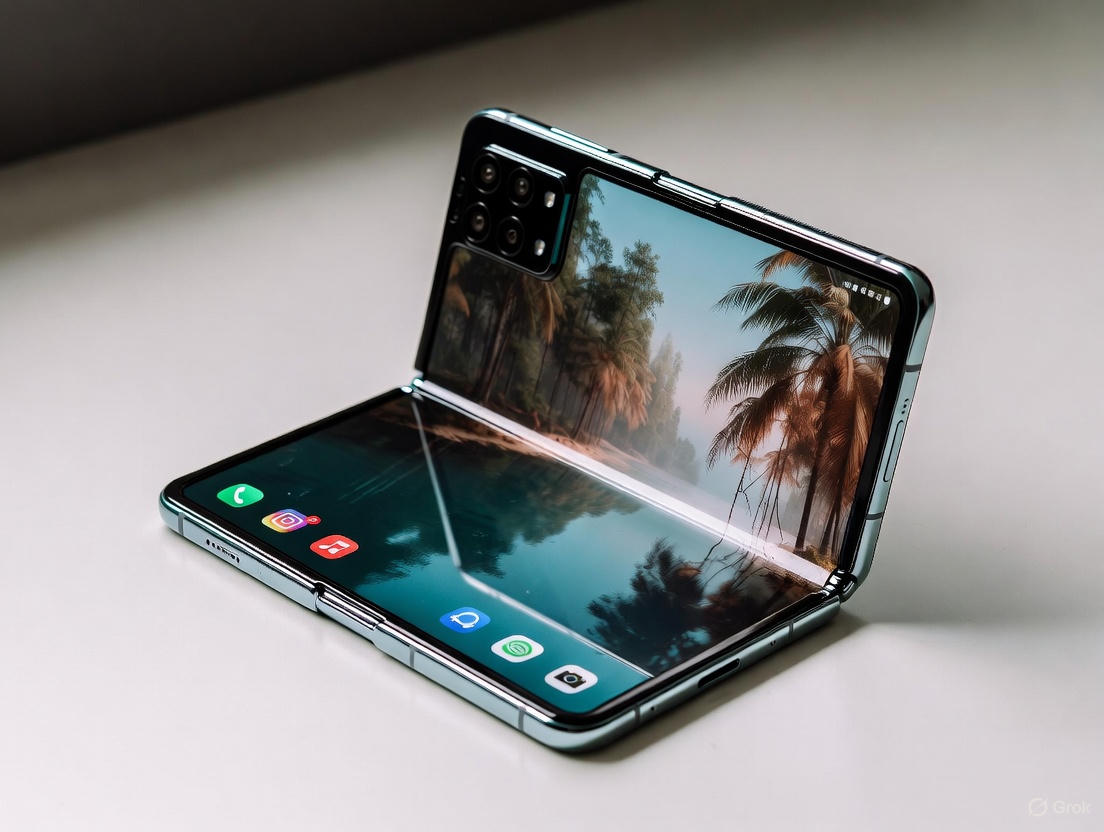
- Foldable Phone: Changing Smartphones Tech
Each generation of AMOLED display improves brightness, durability, and efficiency.
Key Components of an AMOLED Display
An AMOLED display consists of several critical layers.
Main Components
- Organic emissive layer
- Thin-film transistors (TFT)
- Anode and cathode layers
- Protective glass layer
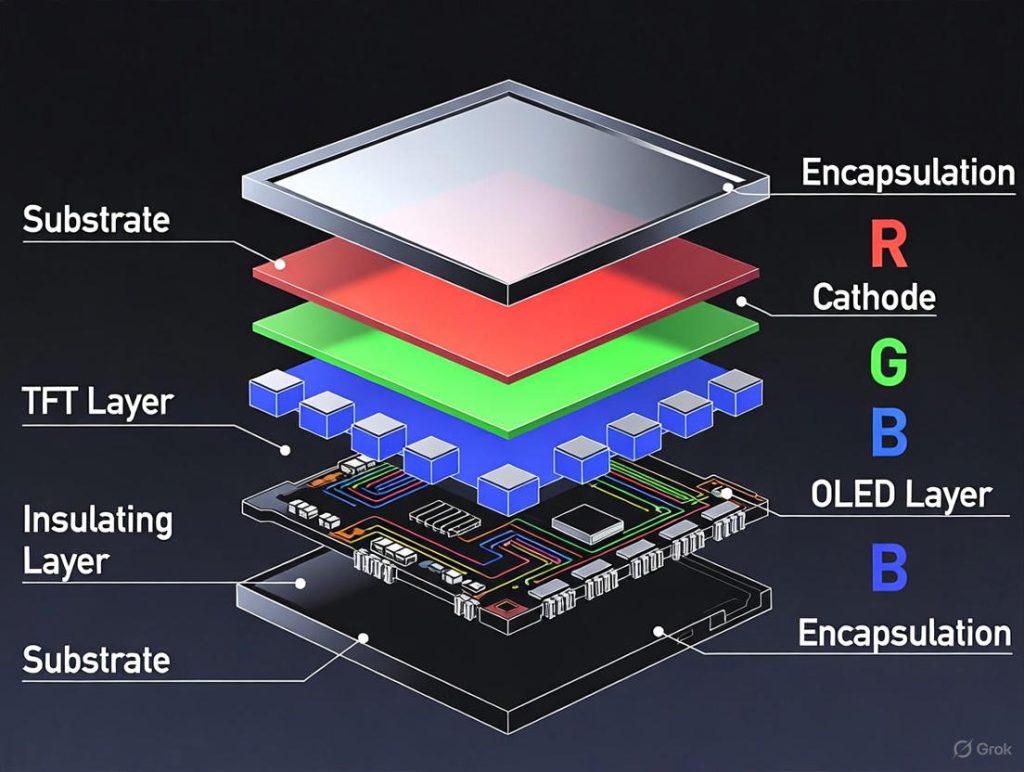
These components work together to ensure precise pixel control and fast response times.
Advantages of AMOLED Display
AMOLED display technology offers numerous benefits.
Key Advantages
- True black levels
- High contrast ratio
- Vivid and accurate colors
- Faster response times
- Thinner and lighter panels
- Better outdoor visibility
Because black pixels are turned off, AMOLED display panels are ideal for dark-mode interfaces and multimedia consumption.
Disadvantages of AMOLED Display
Despite its strengths, AMOLED display technology has limitations.
Common Drawbacks
- Risk of screen burn-in
- Higher production cost
- Color degradation over time
- Sensitivity to moisture
Understanding these disadvantages helps users make informed purchasing decisions.
AMOLED Display vs LCD vs OLED
Comparing AMOLED display with other display types clarifies its value.
| Feature | AMOLED Display | LCD | OLED |
| Backlight | No | Yes | No |
| Black Levels | True black | Grayish | True black |
| Power Efficiency | High | Moderate | High |
| Thickness | Thin | Thick | Thin |
| Cost | Higher | Lower | Medium |
AMOLED display stands out due to its active matrix control and superior contrast.
How AMOLED Display Is Used in Smartphones and Devices
AMOLED display technology is widely adopted across devices.
Common Applications
- Smartphones (Best Budget Smartphones for Students 2025)
- Smartwatches (Smartwatch Comparison: Buying Guide 2025)
- Televisions
- Laptops
- Tablets
- Wearable devices
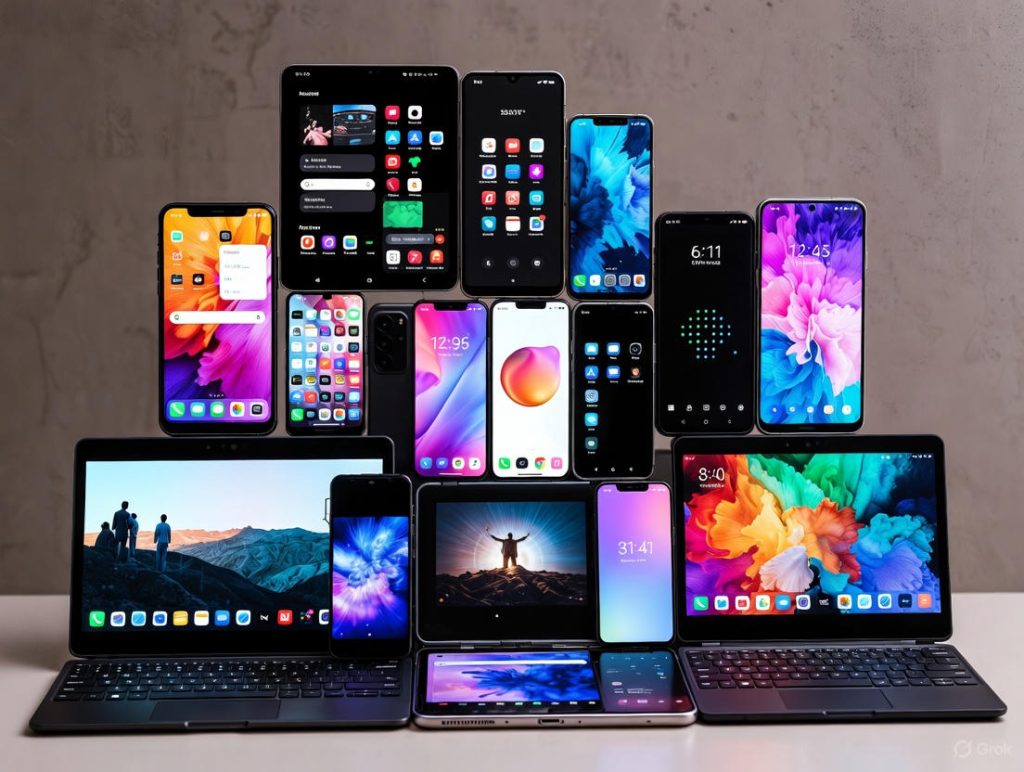
Manufacturers prefer AMOLED display panels for premium devices due to their visual appeal and energy efficiency.
How to Maintain and Optimize an AMOLED Display (HowTo Schema Section)
HowTo: Protect and Optimize an AMOLED Display
Step 1: Use dark mode whenever possible
Step 2: Reduce screen brightness
Step 3: Enable screen timeout
Step 4: Avoid static images for long periods
Step 5: Update device software regularly
Following this HowTo guide helps extend AMOLED display lifespan and performance.
AMOLED Display Power Consumption and Battery Impact
Power efficiency is a major advantage of AMOLED display technology.
Why AMOLED Saves Power
- Black pixels consume no energy
- Dark themes reduce power usage
- Pixel-level brightness control
This makes AMOLED display ideal for smartphones and wearable devices.
Future Trends in AMOLED Display Technology
The future of AMOLED display technology is promising.
Emerging Trends
- Foldable AMOLED screens
- Rollable displays
- Higher refresh rates
- Improved burn-in resistance
- Longer lifespan organic materials
As innovation continues, AMOLED display panels will become more durable and accessible.
Common Myths About AMOLED Display
There are several misconceptions about AMOLED display technology.
Myth vs Fact
- Myth: AMOLED always burns in quickly
Fact: Modern panels greatly reduce burn-in risk - Myth: AMOLED drains battery faster
Fact: Dark content uses less power
Clarifying myths helps users better understand AMOLED display benefits.
FAQs on AMOLED Display (FAQ Schema Ready)
What is an AMOLED display?
An AMOLED display is a screen technology where each pixel emits its own light using organic compounds.
Is AMOLED display better than LCD?
Yes, AMOLED display offers better contrast, deeper blacks, and improved power efficiency.
Does AMOLED display cause burn-in?
Burn-in is possible but rare with modern AMOLED display panels when used properly.
Is AMOLED display good for gaming?
Yes, due to fast response times and high refresh rates.
Do AMOLED displays save battery?
Yes, especially when using dark themes and black backgrounds.
What is the future of AMOLED display?
Future AMOLED displays will be more flexible, durable, and energy efficient.
Conclusion: Is AMOLED Display Worth It
AMOLED display technology has redefined visual quality in modern devices. With self-emissive pixels, stunning contrast, and power efficiency, AMOLED display panels deliver an immersive viewing experience unmatched by traditional screens.
As technology evolves, AMOLED display innovation will continue to push boundaries—making it a top choice for smartphones, wearables, and next-generation devices.