Introduction to Brain Switches
Brain switches are an emerging and fascinating concept in neuroscience that explains how the brain shifts between mental states, behaviors, and modes of thinking. From suddenly becoming focused to instantly feeling relaxed or alert, these changes are controlled by internal brain switches.
It is essential to understand that brain switches (Also known as neural switches, brain function control, neuroscience basics, brain regulation, cognitive switching) are not physical buttons but biological and neurological mechanisms that regulate how different brain circuits turn on or off. These switches play a vital role in attention, habits, emotions, learning, and decision-making.
What Are Brain Switches?
Brain switches are neural mechanisms that activate or deactivate specific brain networks, allowing the brain to change states quickly. These switches determine whether you are focused or distracted, calm or anxious, motivated or fatigued.
In simple terms:
Brain switches control when and how different parts of the brain engage.
Brain switches operate through chemical signals, electrical activity, and neural connectivity.
The Science Behind Brain Switches
The concept of brain switches is rooted in neuroscience research on neural circuits and brain plasticity.
How Brain Switches Work
- Neurons communicate via electrical signals
- Neurotransmitters activate specific circuits
- Certain brain regions inhibit others
- Feedback loops stabilize mental states
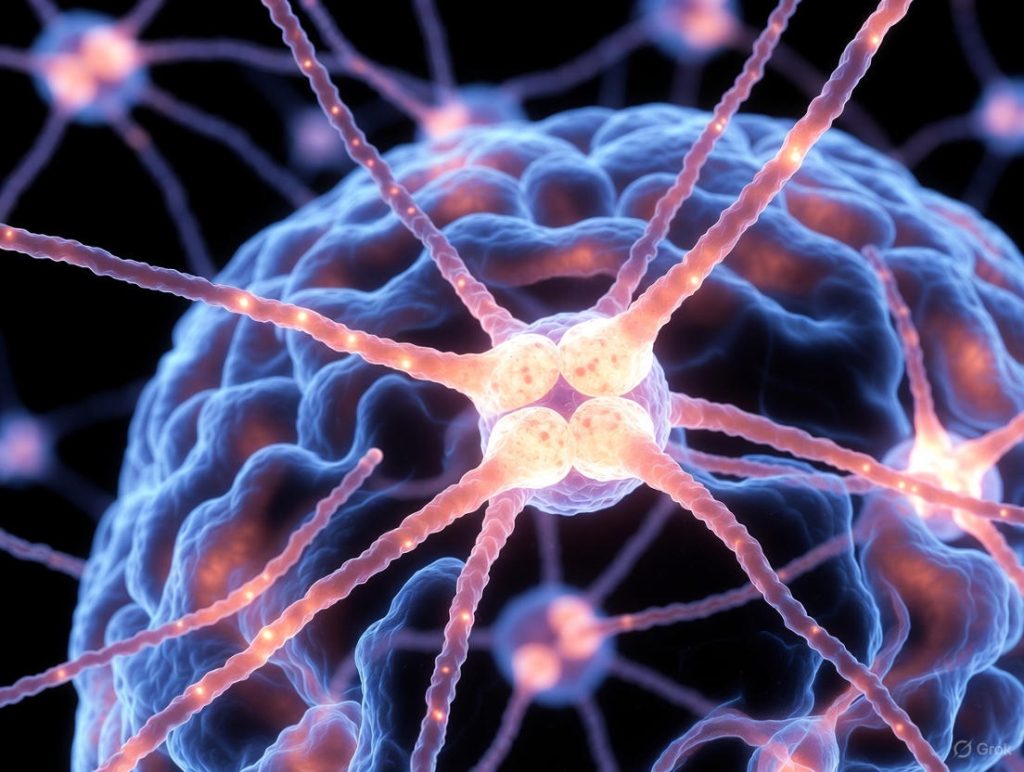
Brain switches allow the brain to move efficiently between different modes without overload.
Types of Brain Switches in the Human Brain
There are several types of brain switches based on function.
1. Attention Switches
Control focus, distraction, and concentration.
2. Emotional Switches
Regulate mood, stress, and emotional responses.
3. Behavioral Switches
Influence habits, routines, and automatic actions.
4. Cognitive Switches
Manage problem-solving, creativity, and logical thinking.
Each type of brain switch helps the brain adapt to changing environments.
Brain Switches and Neurotransmitters
Neurotransmitters play a major role in activating brain switches.
Key Neurotransmitters
- Dopamine: motivation and reward
- Serotonin: mood regulation
- Norepinephrine: alertness and focus
- GABA: calming and inhibition
- Acetylcholine: learning and memory
Brain switches depend on the balance of these chemicals to function properly.
How Brain Switches Affect Behavior and Habits
Habits are controlled by powerful brain switches that automate behavior.
Habit-Related Brain Switches
- Trigger automatic responses
- Reduce decision fatigue
- Strengthen repeated actions
When a habit is formed, a brain switch shifts behavior from conscious effort to automatic execution.
Brain Switches in Focus, Motivation, and Productivity
Brain switches determine whether you feel productive or mentally blocked.
Productivity-Related Brain Switches
- Focus mode vs distraction mode
- Motivation activation
- Mental fatigue shutdown
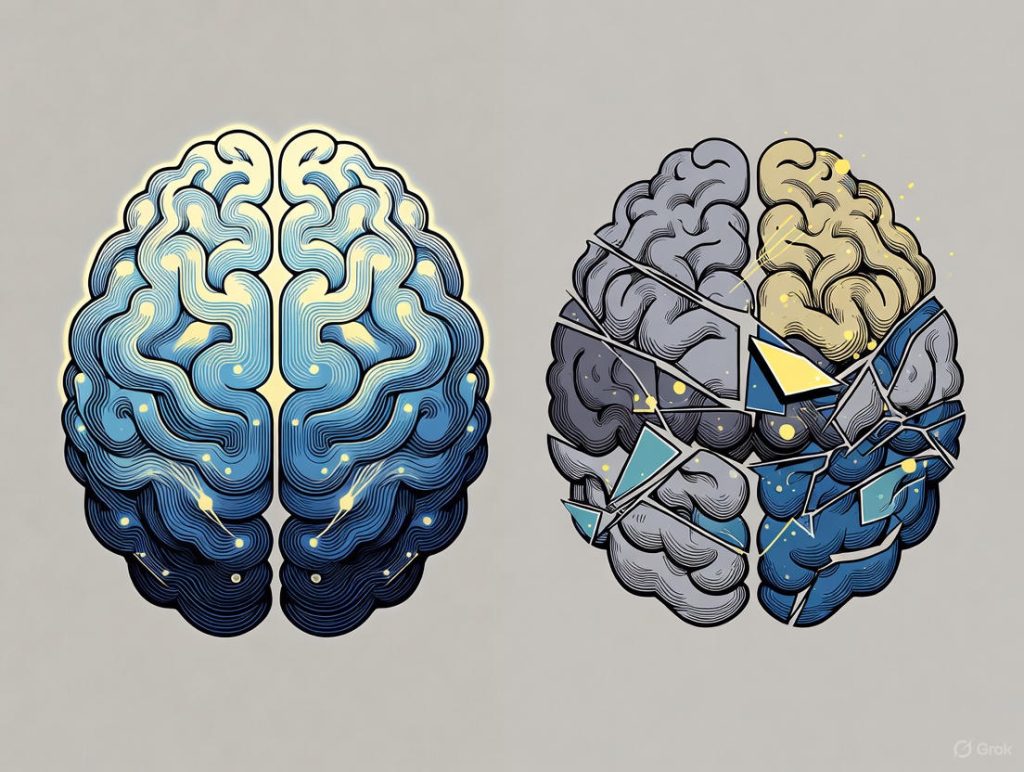
Understanding brain switches can help individuals improve performance and concentration.
Science Facts: Life and Universe
Brain Switches and Emotional Regulation
Emotions are strongly influenced by brain switches.
Emotional Brain Switches
- Stress response activation
- Calm and relaxation response
- Fear and safety detection
When emotional brain switches malfunction, it can lead to anxiety, mood swings, or emotional burnout.
Brain Switches in Learning and Memory
Learning depends on the brain’s ability to switch between modes.
Learning-Related Brain Switches
- Encoding new information
- Retrieving stored memories
- Filtering irrelevant data
Effective learning occurs when brain switches are aligned with attention and motivation.
How to Activate Brain Switches (HowTo Schema Section)
HowTo: Activate Brain Switches for Better Mental Performance
Step 1: Control your environment to reduce distractions
Step 2: Use focused breathing to reset emotional switches
Step 3: Apply repetition to strengthen habit switches
Step 4: Manage sleep to support neurotransmitter balance
Step 5: Practice mindfulness to improve cognitive switching
This HowTo approach helps users consciously influence their brain switches.
Brain Switches in Mental Health and Therapy
Brain switches are increasingly studied in mental health treatment.
Therapeutic Applications
- Cognitive behavioral therapy
- Stress regulation techniques
- Habit reversal therapy
- Neurofeedback training
Many mental health conditions involve dysregulated brain switches rather than permanent brain damage.
Technology and Brain Switches
Modern technology can influence brain switches positively or negatively.
Positive Influences
- Brain-training apps
- Meditation tools
- Neurofeedback devices
Negative Influences
- Excessive notifications
- Constant multitasking
- Dopamine overstimulation
Understanding brain switches helps users manage digital habits more effectively.
Future Research on Brain Switches
Brain switches remain an active area of research.
Future Directions
- AI-based brain mapping
- Personalized mental training
- Brain-computer interfaces
- Advanced neurofeedback systems

Future discoveries may allow precise control over brain switches for health and performance.
FAQs on Brain Switches (FAQ Schema Ready)
What are brain switches?
Brain switches are neural mechanisms that activate or deactivate specific brain networks.
Are brain switches real or theoretical?
They are based on real neuroscience research and observed brain activity patterns.
Can brain switches be controlled?
Yes, through habits, environment, and mental training.
Do brain switches affect emotions?
Yes, emotional states are strongly influenced by brain switches.
Can brain switches help with productivity?
Understanding them can significantly improve focus and efficiency.
Are brain switches linked to mental health?
Yes, many mental health conditions involve dysregulated brain switches.
Conclusion: Why Brain Switches Matter
Brain switches explain how the brain rapidly adapts to different situations, emotions, and challenges. By understanding how these switches work, individuals can gain better control over focus, habits, emotional balance, and learning.
As neuroscience advances, brain switches may become the key to unlocking improved mental health, higher performance, and deeper self-awareness—making them one of the most important concepts in modern brain science.