Introduction to Cosmic Space
Cosmic space represents the vast, seemingly endless expanse beyond Earth’s atmosphere, filled with galaxies, stars, planets, and phenomena that challenge human understanding. From ancient stargazers to modern scientists, cosmic space has inspired curiosity, exploration, and deep philosophical questions about existence.
It is important to understand that cosmic space (outer space, universe exploration, cosmic structures, space science, and astronomy concepts) is not empty. It contains matter, energy, radiation, and structures that shape the universe. Studying cosmic space helps humanity understand its origins, future, and place in the cosmos.
What Is Cosmic Space?
Cosmic space refers to the entire physical universe beyond Earth, including all matter, energy, and spacetime. It encompasses everything from nearby planets to distant galaxies billions of light-years away.
In simple terms:
Cosmic space is the vast arena where the universe exists and evolves.
Cosmic space includes visible objects like stars and invisible components such as dark matter and cosmic radiation.
Why Cosmic Space Fascinates Humanity
Cosmic space has captivated humans for thousands of years.
Reasons for Fascination
- Mystery of the universe’s origin
- Search for life beyond Earth
- Understanding time and space
- Technological and scientific progress
- Philosophical and cultural impact
Cosmic space reminds humanity how small yet significant we are in the grand scale of the universe.
The Structure of Cosmic Space
Cosmic space is organized into large-scale structures.
Major Structures
- Solar systems
- Star clusters
- Galaxies
- Galaxy clusters
- Cosmic filaments
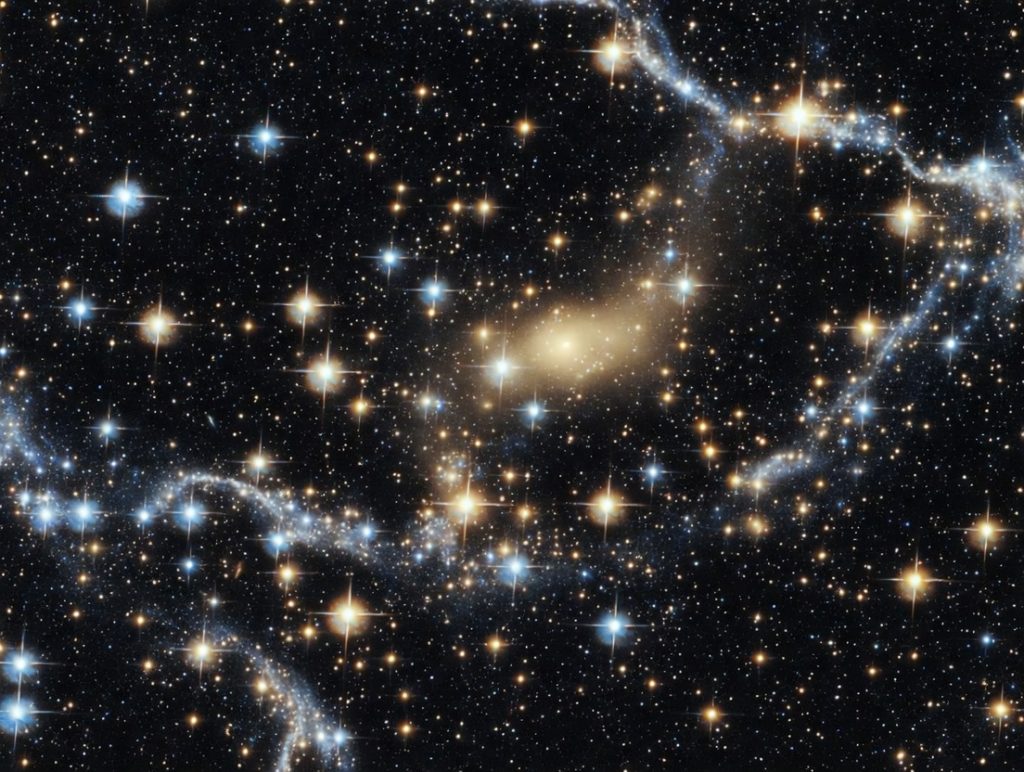
These structures form a cosmic web that stretches across the observable universe.
Galaxies and Cosmic Space
Galaxies are massive systems of stars, gas, dust, and dark matter within cosmic space.
Types of Galaxies
- Spiral galaxies
- Elliptical galaxies
- Irregular galaxies
Billions of galaxies exist in cosmic space, each containing billions of stars.
Planets, Stars, and Cosmic Space
Stars and planets are fundamental building blocks of cosmic space.
Stars
- Produce light and energy
- Drive chemical evolution
- Form planetary systems
Planets
- Orbit stars
- Vary in size and composition
- Some may support life
Cosmic space hosts an incredible diversity of planetary systems.
Black Holes in Cosmic Space
Black holes are among the most mysterious objects in cosmic space.
Key Features
- Extremely strong gravity
- Form from collapsed stars
- Affect surrounding space and time
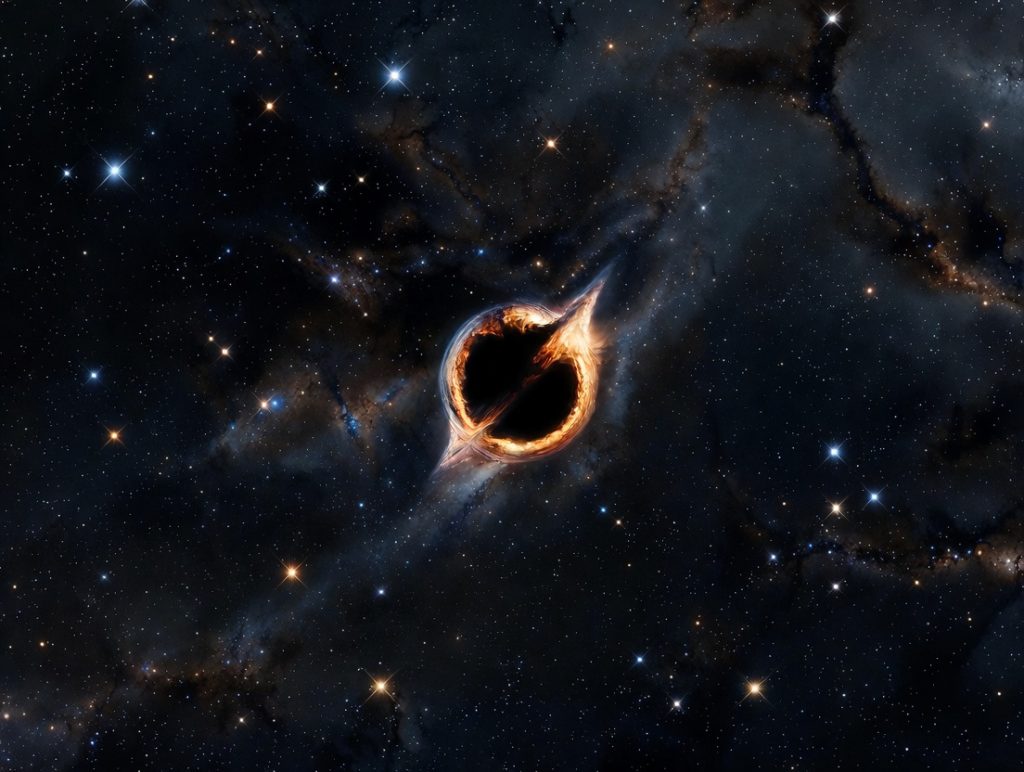
Black holes play a major role in galaxy evolution and cosmic dynamics.
What Is a Wormhole? Complete Explanation
Dark Matter and Dark Energy in Cosmic Space
A large portion of cosmic space is made of unseen components.
- Invisible but gravitationally influential
- Holds galaxies together
Dark Energy
- Drives the expansion of cosmic space
- Acts opposite to gravity
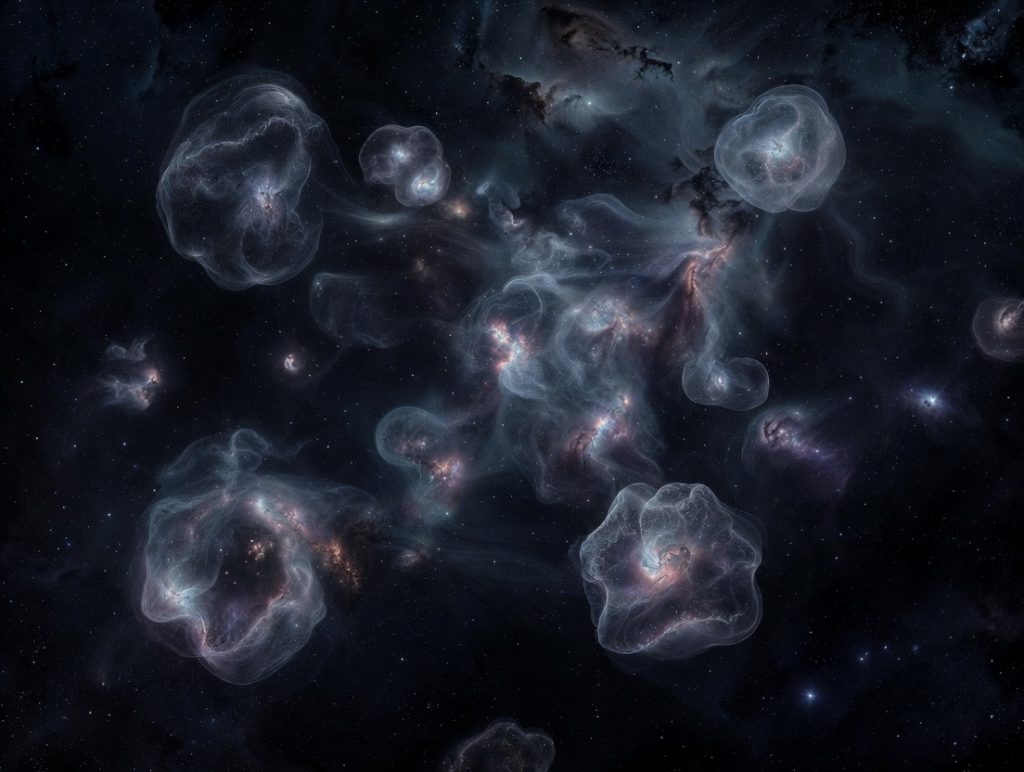
Together, they shape the fate of the universe.
Cosmic Space and the Expansion of the Universe
Cosmic space is continuously expanding.
Key Points
- Galaxies move away from each other
- Expansion rate is accelerating
- Discovered through redshift observations
Big Bang Theory: Origin of the Universe
This expansion suggests that the universe began from a hot, dense state.
How Scientists Study Cosmic Space (HowTo Schema Section)
HowTo: Study Cosmic Space Scientifically
Step 1: Observe cosmic objects using telescopes
Step 2: Analyze electromagnetic radiation
Step 3: Measure distances and motion
Step 4: Use computer simulations
Step 5: Test theories with new observations
This approach allows scientists to uncover the secrets of cosmic space.
Cosmic Space Exploration and Technology
Technology has transformed the study of cosmic space.
Exploration Tools
- Space telescopes
- Satellites
- Space probes
- Robotic landers
These tools allow humanity to explore cosmic space without leaving Earth.
Exotic Matter: Fascinates Modern Physics
Cosmic Space and Life Beyond Earth
One of the biggest questions in cosmic space research is the search for life.
Key Considerations
- Habitable zones around stars
- Water presence
- Organic molecules
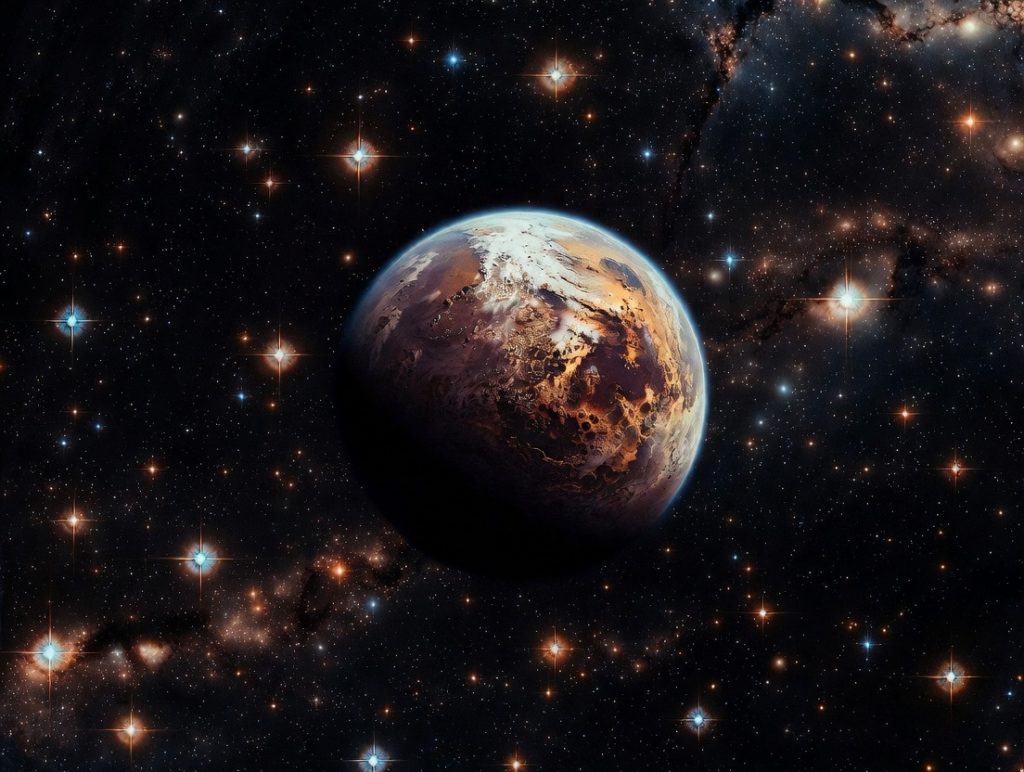
Studying cosmic space may one day answer whether life exists elsewhere.
Future Research and Discoveries in Cosmic Space
The future of cosmic space research is promising.
Upcoming Focus Areas
- Early universe observation
- Exoplanet atmospheres
- Gravitational waves
- Deeper cosmic mapping
Each discovery brings humanity closer to understanding the universe.
FAQs on Cosmic Space
What is cosmic space?
Cosmic space refers to the entire universe beyond Earth, including matter, energy, and spacetime.
Is cosmic space empty?
No, it contains particles, radiation, and vast cosmic structures.
How big is cosmic space?
The observable universe spans billions of light-years, and it may extend beyond that.
Why does cosmic space expand?
Expansion is driven by dark energy and initial cosmic conditions.
Are there other universes in cosmic space?
The idea exists but remains theoretical.
Why is cosmic space important to study?
It helps us understand origins, physics, and potential life beyond Earth.
Conclusion: Why Cosmic Space Matters
Cosmic space is more than a distant frontier—it is the foundation of everything that exists. By studying cosmic space, humanity gains insight into the universe’s past, present, and future.
As technology advances and curiosity persists, cosmic space will continue to inspire discovery, innovation, and wonder—reminding us that the universe is vast, dynamic, and full of unanswered questions.