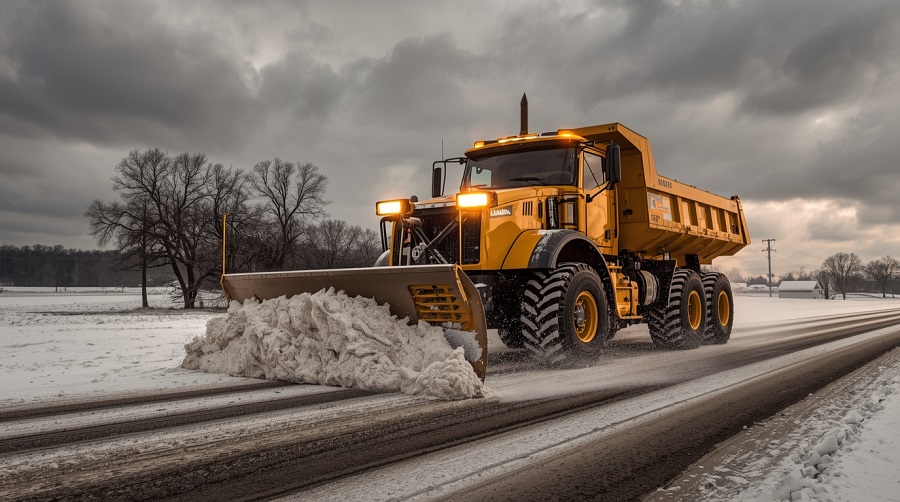
The phrase Alabama Snow Plow Urban might sound unusual to many, especially because Alabama is better known for its hot summers, mild winters, and southern charm than it is for heavy snowfalls. Yet, when rare winter storms strike, the lack of preparation can bring entire cities and towns to a halt. Understanding the role of snow plows, particularly in urban areas of Alabama, is essential for ensuring mobility, safety, and continuity of daily life during winter weather events. Although snowfall in Alabama is infrequent compared to northern states, urban regions have learned that even a few inches of snow or ice can create significant disruption. Exploring this subject requires diving into Alabama’s winter climate, its urban infrastructure, and how snow plow strategies are adapted to environments where snow is not a primary concern.
The Winter Climate of Alabama and Its Challenges
Alabama sits in the southeastern United States and is known for its subtropical climate, meaning that winter conditions are generally mild compared to states further north. However, the state occasionally experiences Arctic air masses sweeping down, bringing with them snow, sleet, and freezing rain. While annual snowfall totals in places like Birmingham, Huntsville, or Montgomery remain relatively low, one heavy snowstorm can paralyze cities unprepared for the challenge. In rural areas, snow often melts quickly, but in urban centers, where concrete, traffic, and shaded streets complicate conditions, the hazards last longer. Ice on bridges, untreated intersections, and hilly roadways can create dangerous situations.
This creates a paradox for Alabama: investing heavily in snow management infrastructure is often seen as unnecessary given how rare major storms are. Yet, failing to plan ahead risks significant disruption. Urban regions face the hardest challenge, as dense populations, tight traffic patterns, and economic hubs mean that even temporary shutdowns can ripple across industries, schools, and essential services.
Snow Plows in the Context of Alabama’s Urban Centers
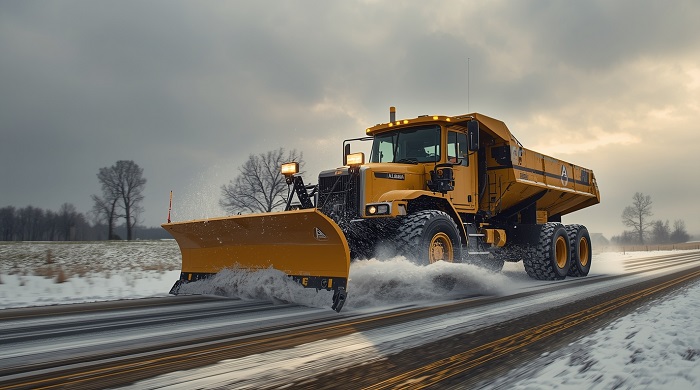
Snow plows are a familiar sight in northern and midwestern states, but in Alabama, they represent emergency equipment rather than a standard fixture of winter road management. Most municipalities in the state do not operate large fleets of plows because the cost of acquisition, maintenance, and storage often outweighs their limited use. Instead, Alabama’s Department of Transportation and urban municipalities rely on multipurpose trucks fitted with plows during storms.
In cities like Birmingham and Huntsville, snow plows become critically important when unexpected weather fronts blanket roads with snow or ice. Urban environments require a different strategy compared to rural highways. Narrow streets, parked cars, and dense intersections mean that plows must operate carefully and methodically to clear routes without causing damage. The goal in Alabama’s urban centers is not to achieve the spotless roads seen in Chicago or Minneapolis but rather to make priority routes safe enough for emergency vehicles, commuters, and essential services.
The Urban Planning Factor: Why Snow Plows Matter
Urban areas in Alabama are built with different priorities than northern cities. Streets are often designed with heat and rain management in mind rather than snow accumulation. Drainage is prioritized over snowmelt, and tree-lined roads create shade that delays the thawing of icy patches. This makes snow plowing even more crucial in certain areas when storms do arrive.
For example, Birmingham, with its hilly terrain, experiences greater risks of vehicles sliding on untreated roads during snow events. A snow plow in such a setting not only clears the snow but also allows for the spreading of sand or salt behind it, reducing ice formation and improving traction. In Huntsville, home to a large technological and aerospace workforce, keeping roads open during winter storms ensures that critical sectors remain operational. In Montgomery, the state capital, snow plows ensure government buildings and services can continue functioning without long interruptions.
Thus, snow plows in urban Alabama are not about creating everyday convenience but about protecting infrastructure, safety, and economic continuity during rare yet impactful weather emergencies.
Equipment and Techniques Adapted for the South
Unlike northern states that maintain entire fleets of specialized snow plows, Alabama adapts existing resources to meet winter challenges. Utility trucks and public works vehicles are often fitted with detachable plow blades that can be quickly installed when storms are forecasted. This flexible system allows municipalities to avoid the year-round expense of maintaining unused snow removal fleets while still having some capacity to respond when winter weather hits.
Additionally, Alabama’s urban snow plow strategies rely heavily on sanding and salting in conjunction with plowing. Because the ground temperatures are often not as cold as in northern states, snow in Alabama can quickly compact into ice when driven on. Plowing alone is insufficient, so spreading grit and de-icing material is necessary to prevent dangerous icy layers from forming. In areas with steep inclines, urban crews target key intersections and bridges first, ensuring that the most hazardous zones are treated quickly.
Historical Snow Events that Shaped Alabama’s Urban Snow Plow Use
While rare, Alabama has experienced several winter storms in recent history that highlighted the need for urban snow plow readiness. One of the most infamous events occurred in January 2014, when a sudden snowstorm hit the Birmingham and Atlanta regions, leaving commuters stranded for hours, some even abandoning vehicles on highways. In Birmingham, plows and salt trucks were dispatched, but the limited resources meant that recovery was slow. The event became a lesson in urban snow response for Alabama’s municipalities, prompting investments in more adaptable equipment and stronger coordination between weather services, transportation departments, and local governments.
Other significant events, such as the 1993 “Storm of the Century,” also underscored how even southern states must account for the possibility of extreme winter weather. In each of these cases, snow plows played a critical role in reopening roads and restoring a sense of normalcy to affected urban populations.
The Economic Impact of Snow Plow Operations in Urban Alabama
While the direct use of snow plows is about clearing roads, the broader economic importance cannot be overlooked. Urban centers like Birmingham and Huntsville generate substantial economic activity, and any interruption from weather has cascading effects. Businesses close, deliveries stall, and schools shut down, creating financial stress for both individuals and organizations. By employing snow plows strategically, Alabama’s urban planners aim to minimize downtime and ensure that essential commerce continues, even in reduced capacity.
For instance, plowing major commuter routes ensures that hospitals, airports, and industrial zones remain accessible. In an interconnected economy, one day of closure can cost millions of dollars in lost productivity. Thus, even though Alabama experiences snow infrequently, the availability of snow plows in urban environments becomes an investment in resilience rather than an unnecessary expense.
Community Preparedness and Urban Safety
Beyond the machinery itself, Alabama’s snow plow operations are tied closely to public awareness and safety campaigns. Urban residents are encouraged to avoid unnecessary travel during snow events, allowing plows to work efficiently without congestion. Communication between municipal leaders and residents is essential, as clear updates on which roads are being plowed help people plan their movements responsibly.
Urban Alabama has also invested in training operators who can handle plows in environments not designed for frequent snow management. Narrow lanes, dense traffic lights, and mixed-use areas create different challenges compared to open highways. Skilled operators ensure that snow removal is performed effectively without damaging property or leaving behind hazardous snow piles that obstruct pedestrians or businesses.
Future of Snow Plow Readiness in Alabama’s Urban Areas
Climate change has added a new dimension to the conversation. While average winters in Alabama remain mild, the unpredictability of weather patterns has increased, meaning sudden snowfalls may become more common in future decades. Urban areas are now reassessing how to balance the low probability of major snow events with the high cost of unpreparedness. Innovations in detachable plow technology, improved weather forecasting, and stronger intercity cooperation are paving the way for more resilient urban systems.
As Alabama’s cities grow in size and economic importance, the ability to manage even rare winter storms will become a measure of their preparedness and adaptability. Snow plows may never be as common in Alabama as in northern states, but their presence in urban areas represents a strategic necessity for safety, mobility, and economic stability.
Conclusion
The story of Alabama Snow Plow Urban is not one of daily necessity but of critical preparedness. While snow is rare in the state, urban centers must be ready to respond when winter weather strikes. Snow plows in Alabama represent more than machines clearing roads; they symbolize resilience, safety, and forward planning in the face of unexpected natural events. By adapting equipment, training operators, and focusing on priority urban routes, Alabama ensures that its cities can withstand the challenges of rare snowstorms. For residents and visitors alike, the sight of a snow plow on Alabama’s streets may be uncommon, but it carries immense significance, reminding everyone that preparation is key, even in places where winter is not a daily reality.
FAQs About Alabama Snow Plow Urban
Does Alabama use snow plows in its cities?
Yes. Alabama’s urban areas like Birmingham and Huntsville deploy snow plows during rare winter storms, often using multipurpose trucks fitted with detachable blades.
How often does Alabama need snow plows?
Not very often. Snowfall is rare in Alabama, but during major events every few years, plows are essential to keep priority roads safe.
Which Alabama city uses snow plows the most?
Birmingham and Huntsville typically see the greatest use due to their larger urban populations and higher snowfall rates compared to southern cities.
Why don’t Alabama cities have big snow plow fleets?
Maintaining large fleets is too costly for the state since snowstorms are rare. Instead, urban areas use adaptable trucks with removable plows.
What roads do Alabama snow plows clear first?
Plows usually focus on priority routes such as highways, hospitals, emergency services access points, and major intersections in urban areas.